
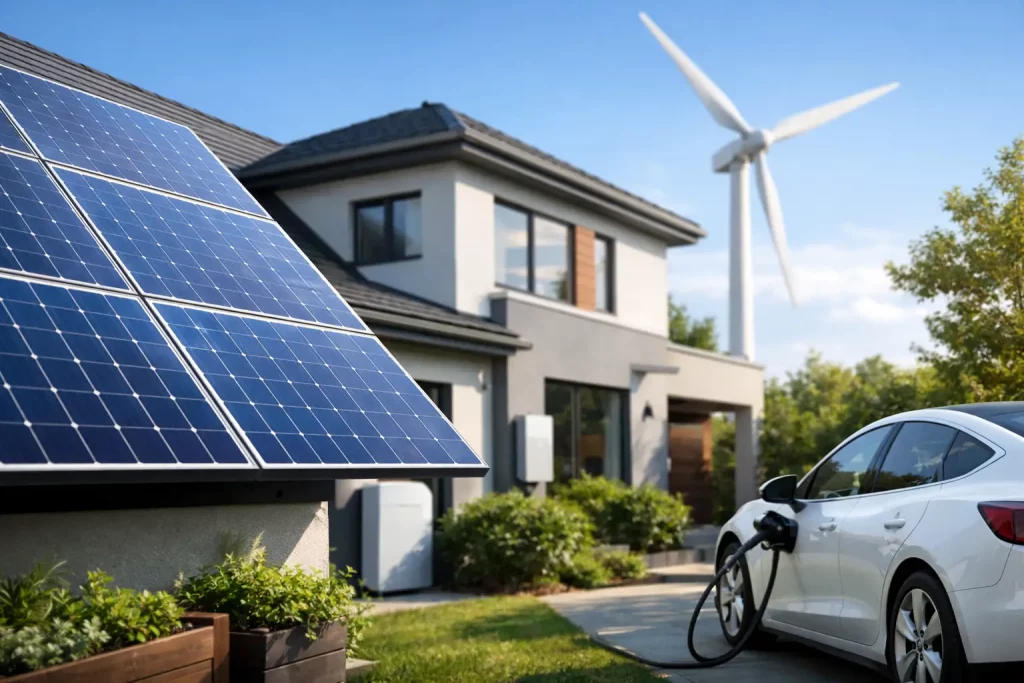
A home that generates, stores and uses its own energy is better protected from rising utility costs. Renewable energy solutions for homes are no longer limited to a few solar panels on a roof. The most effective installations combine electricity generation with efficient heating, hot water, ventilation and charging, tailored around how the property is used.
For a homeowner in Leicester or elsewhere in the UK, the right choice depends on the building, its insulation, roof space, existing heating system and daily energy demand. A well-planned system can reduce wasted energy, improve year-round comfort and make every unit of electricity go further.
Start with the energy your home uses
Before choosing technology, look at where your home currently loses money. Electricity use may be high because of appliances, working from home, an electric vehicle or inefficient cooling. Heating bills may be driven by an ageing gas or oil boiler, poor controls, draughts or a hot water system that is no longer fit for purpose.
This matters because renewable systems work best as part of a complete energy plan. Solar panels can produce valuable electricity during daylight hours, but a battery can retain unused power for the evening. An air source heat pump can provide low-carbon heating, while underfloor heating or suitably sized radiators help it run efficiently at lower flow temperatures.
The aim is not to install every available product. It is to identify the combination that delivers reliable savings and practical comfort for your property.
Solar panels: a strong first step
Solar PV remains one of the most accessible renewable energy solutions for homes. Panels generate electricity from daylight, helping to power household appliances, lighting and compatible heating equipment. Any electricity used directly in the home reduces the amount bought from the grid.
A conventional on-roof system suits many properties, particularly where there is a clear roof area with limited shading. In-roof solar is an alternative for new builds, extensions and roof replacements. The panels sit within the roofline for a cleaner, integrated finish, making it a popular choice where appearance is a priority.
The return from solar depends on roof orientation, pitch, local shading, system size and how much electricity the household uses while panels are generating. South-facing roofs are often favourable, but east-west arrays can also work well by spreading generation across the morning and afternoon. A professional survey should assess the real opportunity rather than relying on generic estimates.
Get more from solar with battery storage
Without a battery, surplus solar electricity is often exported when household demand is low. Solar battery storage allows more of that energy to be used later, such as when cooking dinner, running appliances or charging an electric vehicle overnight.
For many households, this is the difference between owning a solar system and actively using the power it produces. Battery capacity should be matched to generation and consumption. An oversized battery can take longer to justify, while one that is too small may regularly fill before the day is over. Smart controls can also charge a battery from cheaper off-peak tariffs where this suits the household’s energy plan.
Replace fossil-fuel heating with an air source heat pump
Heating and hot water are usually the largest energy costs in a UK home. An air source heat pump extracts heat from the outside air and transfers it indoors, providing space heating and, with the right system design, hot water. It uses electricity, but it can deliver several units of heat for each unit of electricity consumed.
Heat pumps are designed to maintain a steady, comfortable indoor temperature. They work particularly well in homes with good insulation, effective draught-proofing and heating emitters designed for lower temperatures. That may mean larger radiators, underfloor heating or a mixture of both.
A heat pump is not a like-for-like boiler swap. The survey and design stage is essential. The installer should calculate heat loss room by room, check the available outdoor space, assess pipework and controls, and recommend the right cylinder capacity. This approach protects performance, comfort and running costs.
Hot water cylinders matter
A modern hot water cylinder gives a heat pump a dependable way to store hot water for baths, showers and taps. It also helps a home make better use of solar generation, especially when controls can heat water during brighter parts of the day.
Cylinder size is based on household demand. A family with multiple bathrooms will need a different solution from a smaller household. Selecting the right capacity avoids running short at busy times without wasting energy heating more water than necessary.
Improve comfort with ventilation, cooling and heating controls
Generating cleaner energy is only part of the picture. A comfortable home must also manage fresh air, humidity and temperature properly. Mechanical ventilation with heat recovery, known as MVHR, supplies filtered fresh air while recovering heat from stale air leaving the property. It is particularly effective in airtight new builds and extensively refurbished homes.
Air conditioning can provide efficient cooling during warmer weather and, in many cases, additional heating when needed. This can be useful in loft conversions, south-facing rooms, home offices and properties where summer overheating is becoming a genuine issue.
Underfloor heating offers even warmth across a room and is well suited to heat pump systems because it operates at low water temperatures. It is often easiest to install during renovations or new builds, although it can be considered for selected rooms as part of a wider upgrade. Smart zoning and heating controls then allow different areas of the property to be heated according to how they are used.
Charge an electric vehicle with lower-cost energy
An EV charger is a sensible addition for households that drive electric. Home charging is more convenient than relying entirely on public charge points, and it can be coordinated with solar output, battery storage or off-peak electricity tariffs.
The best charging setup depends on the vehicle, parking arrangement, electrical supply and expected mileage. For homes with solar panels, intelligent charging can prioritise available solar power when conditions allow. It will not always provide a full charge from sunlight alone, particularly in winter, but it can reduce the cost of regular charging over the year.
When wind power may be suitable
Small wind turbines can be a useful option for the right rural or exposed site, but they are not a standard solution for most suburban homes. Wind speed, planning requirements, available land, turbine height and nearby obstacles all affect viability.
A good site can produce meaningful renewable electricity. A poor site may not. This is why wind should only be considered after a detailed assessment, rather than treated as an alternative to solar for every property.
Choosing the right renewable energy solutions for homes
The strongest results usually come from technologies that support each other. Solar panels reduce daytime electricity purchases. A battery retains more of that power. A heat pump replaces fossil-fuel heating, while a suitable cylinder, efficient emitters and controls help it perform as intended. EV charging, ventilation and cooling can then be incorporated around the way the household lives.
Budget should be considered alongside long-term value. It may be sensible to install solar and battery storage first, then plan for a heat pump when the existing heating system reaches the end of its life. In other homes, a renovation project creates the ideal opportunity to install in-roof solar, underfloor heating, MVHR and a heat pump together.
Quality installation is just as important as product choice. Look for clear system design, dependable equipment, appropriate warranties and recognised MCS certification where applicable. A qualified installer should explain expected performance honestly, including seasonal changes in solar generation and the improvements needed for heat pump efficiency.
Airtech Renewables brings solar, storage, heating, ventilation, cooling and EV charging together under one specialist service. That makes it easier to build a practical system rather than adding disconnected products over time.
The most useful next step is a property-led assessment. Start with your bills, your current heating arrangement and your plans for the home over the next decade. With the right design, cleaner energy can become a straightforward part of a more comfortable, lower-cost property.