
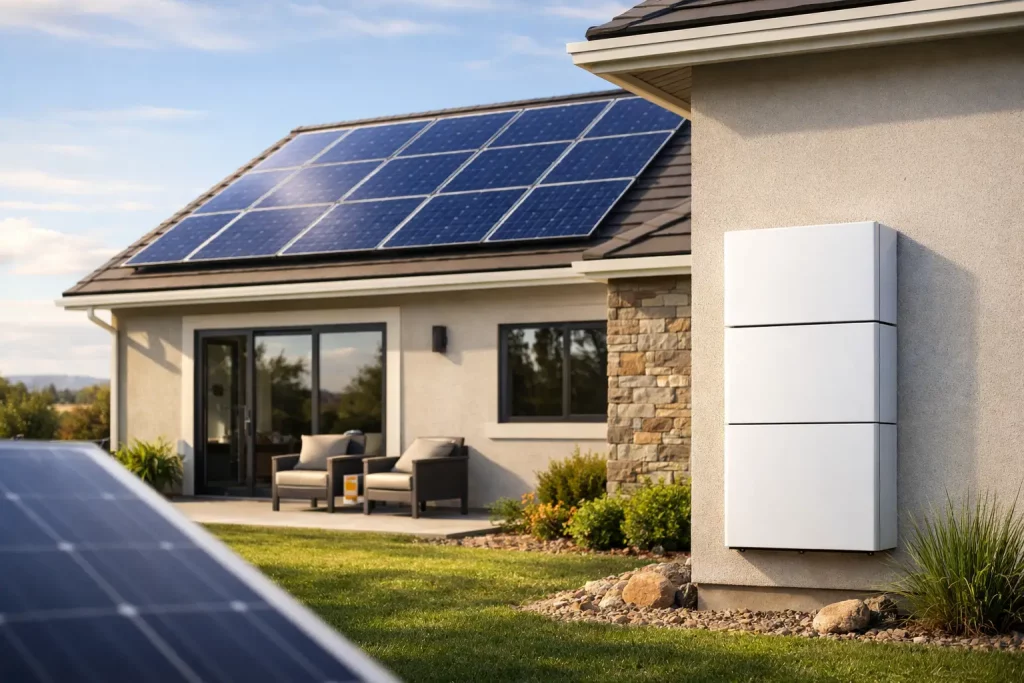
Energy bills rarely wait for the right moment. When prices rise and grid reliance feels harder to justify, a solar and battery package becomes less of a nice-to-have and more of a practical upgrade for homes and businesses that want better control over electricity costs.
The appeal is straightforward. Solar panels generate electricity during the day, and a battery stores surplus energy for later use instead of sending all of it back to the grid. That means more of the electricity you produce stays on site and works harder for your property. For many customers, that is where the real value starts.
What a solar and battery package actually includes
A solar and battery package usually combines solar PV panels, an inverter, battery storage, mounting equipment and installation. In some cases, monitoring software is included as well, allowing you to track how much electricity you generate, store and use.
The exact setup depends on the property. A typical domestic system may be sized around daytime household demand, roof space and budget. A commercial system may be shaped around trading hours, equipment loads and opportunities to reduce peak electricity costs. The package approach matters because these parts are designed to work together rather than being chosen in isolation.
That joined-up design can make a noticeable difference. If the panels produce far more than you can use and the battery is too small, you may export more electricity than expected. If the battery is oversized for your usage, you may pay for storage capacity you do not fully use. A well-matched system is what turns a good idea into real savings.
Why homeowners and businesses choose a solar and battery package
The main reason is simple: lower running costs. Generating your own electricity reduces the amount you need to buy from your supplier, and storing excess energy helps you use more of what your system produces. This can improve return on investment compared with solar alone, especially where evening electricity use is high.
For households, that often means using stored energy after work, when lights, appliances and cooking loads increase. For businesses, it may mean reducing imported power during expensive periods or making better use of electricity generated outside the busiest hours.
There is also the benefit of greater energy independence. A battery does not remove grid dependence altogether, but it does reduce exposure to fluctuating electricity prices. For property owners thinking long term, that extra control is a strong selling point.
Carbon reduction is another factor. Using more of your own renewable electricity lowers reliance on fossil-fuel-heavy grid supply. For businesses, that can support wider sustainability targets. For homeowners and landlords, it can improve the overall efficiency and future appeal of a property.
When a solar and battery package makes the most sense
Not every property gets the same result, and that is where honest advice matters. The strongest savings usually come when a building has decent roof suitability, regular daytime generation potential and enough evening or early morning demand to make battery storage useful.
Homes with people out all day can still benefit, because the battery captures daytime generation for later. Properties with home working, electric vehicles, heat pumps or higher baseline electricity use often see even more value because there is greater demand to absorb the power generated.
For commercial premises, the case depends on load profile. Offices, retail sites, workshops and other operational buildings can benefit if the system is sized around actual consumption rather than guesswork. Large roofs and predictable demand patterns can make solar especially attractive, while battery storage adds another layer of cost control.
Older buildings, shaded roofs or very low electricity use can still be suitable, but the financial case may be less aggressive. That does not mean the investment is poor. It means the design should be realistic and based on how the property performs in practice.
Solar and battery package costs in the UK
Cost is usually the first serious question, and rightly so. Prices vary based on system size, roof type, battery capacity, access, equipment quality and installation complexity. A domestic package will cost more than solar panels alone because battery storage adds both hardware and design considerations.
What matters more than the headline figure is value over time. A cheaper system is not always the better buy if it delivers lower output, weaker warranties or reduced long-term performance. On the other hand, the most expensive package is not automatically the right one if your usage does not justify the added capacity.
The best approach is to look at expected savings, payback period, product quality and installation standards together. MCS-certified installation, reliable components and correct system sizing are worth paying attention to because they affect both performance and confidence in the investment.
Choosing the right system size
This is where many buying decisions go right or wrong. Bigger is not always better. The ideal solar and battery package should reflect how much electricity you use, when you use it and what your property can support.
A household with modest electricity demand may benefit from a smaller battery paired with a sensibly sized solar array. A family with an EV charger, electric heating support or future plans for an air source heat pump may want a more expandable system. Commercial customers often need a more detailed assessment because energy use can change by season, shift pattern or equipment schedule.
Future-proofing matters, but overspending does not. If you expect your electricity use to increase over the next few years, it can make sense to plan for that now. If not, a leaner package may deliver faster returns.
Roof suitability and property layout
South-facing roofs generally offer the best generation, but east and west-facing roofs can still perform well. Shade from trees, chimneys or nearby buildings can affect output, and available roof area will shape how many panels can be installed.
Battery placement also needs thought. It should be located in a suitable space with proper access and ventilation requirements taken into account. A professional survey helps identify these practical points early, before they become installation issues.
Battery performance and daily usage
Battery value comes from matching storage to behaviour. If most of your electricity use happens after solar production hours, battery storage becomes more useful. If your demand is mostly during daylight, solar alone may already cover a lot of the benefit, with storage adding less.
That is why usage habits matter as much as roof space. A well-designed package is based on both.
The importance of installation quality
A solar and battery package is not just a product purchase. It is a system that needs proper design, safe installation and dependable aftercare. Poor workmanship can reduce efficiency, create avoidable faults and undermine the savings you expected.
Working with an experienced installer gives you a clearer view of system performance, realistic savings and product suitability. It also helps ensure the installation meets current standards and is completed with the right certification.
This matters even more when you are combining technologies. Many property owners are now looking at solar alongside EV charging, heat pumps or hot water solutions. A company that understands how these systems work together can help you avoid piecemeal decisions and build a more efficient property overall.
Is it better to buy solar and battery together?
In many cases, yes. Buying the package together allows the system to be designed as one solution from the start. That usually means better compatibility, cleaner installation planning and a more accurate view of expected performance.
It can also be more cost-effective than adding storage later, although not always. If your budget is limited, starting with solar and adding a battery later may still be a sensible route, provided the system is designed with that option in mind.
The right answer depends on budget, usage and timescale. If immediate bill reduction is the goal and battery storage fits your demand profile, installing both at once often offers the most complete result.
What to ask before you invest
Before choosing any package, ask how much electricity the system is expected to generate, how much of that energy you are likely to use on site and how the battery size has been selected. Ask about product warranties, installation standards and whether the figures are based on your actual property and usage.
A good installer should be able to explain the proposal clearly, without overcomplicating it or promising unrealistic returns. Straight answers are usually a good sign.
For customers in Leicester and across the wider UK, the most successful projects tend to start with a practical conversation. Not a hard sell, and not a one-size-fits-all package, but a system built around real usage, real savings and long-term value. That is exactly why many property owners turn to specialists such as Airtech Renewables when they are ready to make the move.
A solar and battery package is not about chasing trends. It is about giving your property a more efficient, more predictable and more cost-effective way to use electricity for years to come.