
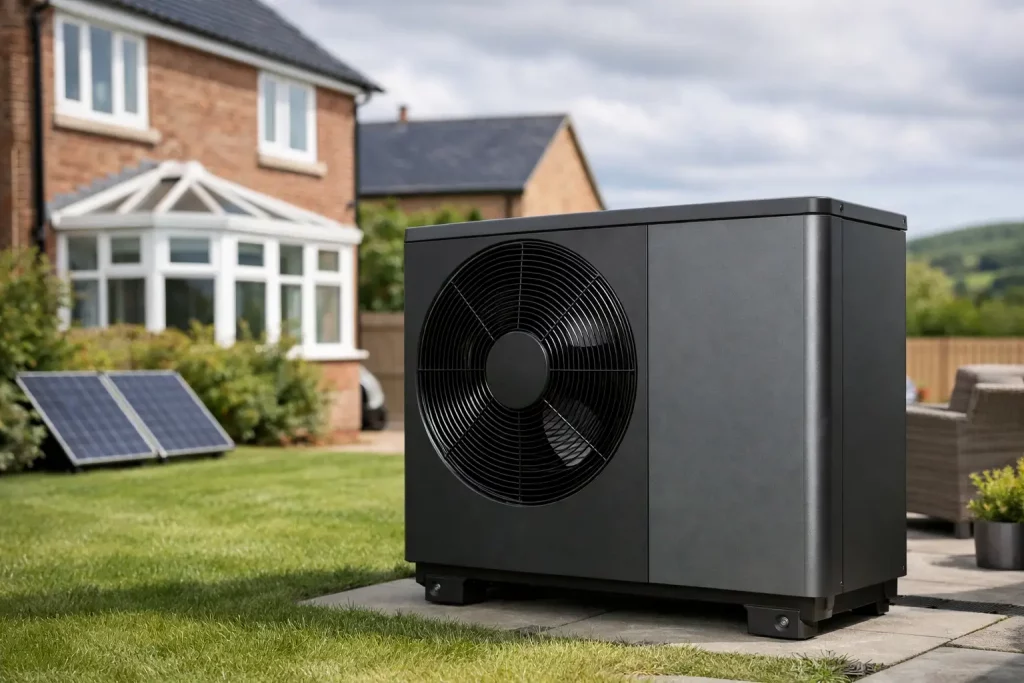
A boiler replacement is a costly decision, so choosing a heat pump should not come down to the badge on the outdoor unit alone. The best air source heat pump brands combine efficient performance, dependable controls and strong UK support, but the right choice still depends on your property, heat loss and hot water needs.
For homeowners, landlords and businesses looking to reduce reliance on gas, an air source heat pump can provide lower-carbon heating and hot water for many years. The system needs to be specified properly, installed to a high standard and matched with suitable radiators, underfloor heating or a hot water cylinder. Get those fundamentals right and the brand becomes a valuable part of a system designed to reduce running costs and improve comfort.
Best Air Source Heat Pump Brands in the UK
There is no single heat pump that is best for every UK property. A compact, well-insulated new-build needs something different from a larger Victorian house that is being improved in stages. However, several manufacturers have earned strong reputations in the UK market for product quality, efficiency and installer support.
Daikin
Daikin is one of the best-known names in heat pumps and air conditioning, with a long track record in heating technology. Its Altherma range is widely used in UK homes and is available in options suited to lower-temperature systems, higher-flow-temperature upgrades and compact installations.
Daikin is often a good fit where homeowners want a well-established manufacturer, intelligent controls and a broad product range. The choice of unit still matters. A higher-temperature model may make a radiator upgrade less urgent in some properties, but improving radiator size and insulation can often produce better efficiency than simply asking the heat pump to work harder.
Mitsubishi Electric
Mitsubishi Electric Ecodan heat pumps are a familiar choice across the UK, particularly for retrofit projects. The brand is known for a mature product range, good installer familiarity and controls designed for weather-compensated heating.
This can be a practical option for properties with a clear heat-loss calculation and a properly sized cylinder. Mitsubishi Electric systems are regularly specified for homes moving away from oil, LPG or gas boilers, as well as for small commercial settings. As with any brand, performance will depend on flow temperature, building fabric and how the controls are set up after installation.
Vaillant
Vaillant is a recognised boiler manufacturer that has become a significant name in heat pumps through its aroTHERM range. For households familiar with Vaillant heating controls and looking for a premium, integrated system, it is a strong contender.
Vaillant heat pumps are often selected for their quiet operation, quality engineering and straightforward integration with hot water cylinders and heating controls. They can suit homes where noise levels and outdoor unit positioning are key considerations, although every installation should still assess clearances, boundaries and the location of bedrooms or neighbouring properties.
Panasonic
Panasonic Aquarea heat pumps offer a broad choice of outputs and system configurations. They are frequently considered for both renovation projects and newer homes, particularly where the owner wants a capable system with flexible control options.
Panasonic can be a sensible choice where a property needs careful system design rather than a standard replacement approach. This may include homes with solar panels and battery storage, where heating schedules can be planned around lower-cost electricity or surplus solar generation. Solar power will not run a heat pump continuously through winter, but it can make a useful contribution across the year.
NIBE
NIBE is a Scandinavian manufacturer with a strong focus on low-carbon heating. Its systems are designed with cold-climate performance and energy management in mind, making the brand worth considering for well-planned domestic projects.
NIBE is often associated with high-quality controls and efficient low-temperature heating. It may be particularly appealing for homeowners undertaking deeper energy-efficiency improvements, such as upgraded insulation, airtightness work, underfloor heating or mechanical ventilation. The initial investment can be higher than some alternatives, so it is important to compare whole-system value rather than equipment price alone.
Samsung and LG
Samsung and LG both bring extensive heating and cooling experience to the air source heat pump market. Their systems can provide a cost-effective route into low-carbon heating when backed by competent design, commissioning and local support.
These brands can work well in straightforward domestic installations and projects where the property owner wants modern app-based controls. The final decision should not be based on a promotional efficiency figure alone. Ask how the proposed system will perform at your required flow temperature and in typical winter conditions.
Viessmann
Viessmann is another established heating manufacturer with a growing heat pump offering in the UK. Its Vitocal range is designed for residential applications and can be a good match for homeowners who want a premium heating system from a recognised name.
As with Vaillant, brand familiarity can offer reassurance for households replacing an existing boiler system. But a heat pump installation is not simply a boiler swap. The cylinder capacity, radiator output, pipework, electrical supply and controls all need to be considered before selecting the final unit.
What Makes a Heat Pump Brand a Good Choice?
Manufacturer reputation matters, but it is only one part of the decision. A quality air source heat pump should be efficient at the temperatures your home actually requires, not just in ideal test conditions. This is why seasonal efficiency, often shown as SCOP, is more useful than a headline maximum output figure.
A good brand should also offer reliable controls. Heat pumps work best when they maintain a steady indoor temperature rather than being turned sharply up and down like an older boiler. Weather compensation adjusts the heating flow temperature as outdoor conditions change, helping the system use less electricity while keeping rooms comfortable.
After-sales support is equally relevant. Look for a manufacturer with a UK presence, trained installers, accessible technical support and warranty terms that suit the project. Warranty length is valuable, but it should not overshadow the quality of the installation or the servicing requirements needed to maintain cover.
Noise is another practical consideration. Modern units are generally quieter than older designs, yet output, location and operating conditions all affect what you hear. A correctly positioned outdoor unit can make more difference than choosing between two otherwise similar products.
Brand Is Important, Installation Is Critical
The most expensive heat pump can disappoint if it is oversized, paired with undersized radiators or installed without a full heat-loss survey. Conversely, a well-selected model from a respected manufacturer can deliver excellent results when it is designed around the building.
Before comparing quotations, ask whether each installer has calculated room-by-room heat loss. This determines the heat pump size and whether existing radiators can provide enough heat at lower flow temperatures. A proper design may recommend larger radiators in selected rooms, underfloor heating in an extension or improved insulation before installation. These measures are not unnecessary extras. They can reduce the electricity needed to heat the property for its entire lifetime.
Hot water should be planned at the same time. Most air source heat pump systems use a dedicated, well-insulated cylinder. The right capacity depends on household size, bathing habits and whether the property has showers, baths or multiple bathrooms in regular use. A system that is efficient for space heating but leaves the family short of hot water is not a successful installation.
For eligible homes in England and Wales, MCS-certified installation is also central to accessing the Boiler Upgrade Scheme. It is worth confirming current grant eligibility and ensuring the proposed equipment and installation route meet the required standards before work begins.
Choosing Between the Best Air Source Heat Pump Brands
Start with the property rather than a manufacturer shortlist. A heat-loss assessment, existing radiator survey and conversation about hot water demand will narrow the options quickly. Your installer can then recommend models with the right output range, operating temperatures and controls for the building.
For example, a highly insulated home with underfloor heating may prioritise exceptional low-temperature efficiency. A traditional house retaining some existing radiators may need a system that can operate effectively at a moderately higher flow temperature while targeted radiator upgrades are completed. A commercial premises may place more weight on zoning, usage patterns and integration with solar generation.
It is also sensible to consider the wider energy system. Pairing a heat pump with solar panels, battery storage, smart tariffs, ventilation improvements or underfloor heating can improve how the property uses energy. The aim is not to add technology for its own sake. It is to create a practical system that lowers operating costs and makes the building more comfortable.
Airtech Renewables can help assess the whole picture, from heat pump suitability and radiator requirements to solar, storage and controls. The most useful next step is a professional survey that turns manufacturer claims into a clear, costed solution for your property.