
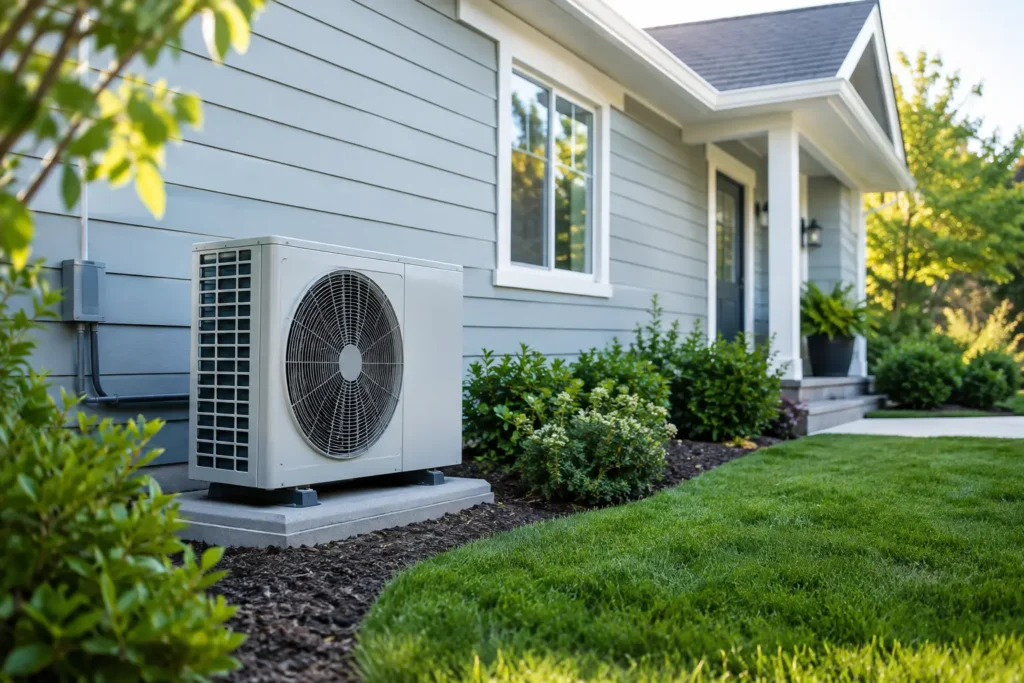
A bungalow heat pump can be an excellent replacement for an ageing gas, oil or electric heating system, but the best results come from looking at the whole property rather than the heat pump alone. Bungalows often have straightforward pipe runs, easy outdoor access and a compact layout, which can make installation simpler. They can also lose more heat through the roof than a two-storey home, so insulation and radiator sizing matter.
For homeowners looking to reduce heating bills, lower carbon emissions and move away from fossil fuels, an air source heat pump offers dependable, efficient heating without the disruption of a full rebuild. The key is designing the system around how your bungalow actually performs in winter.
Why a bungalow heat pump can work so well
An air source heat pump takes heat from the outside air and uses electricity to raise it to a useful temperature for your radiators, underfloor heating and hot water. Even on cold days, there is heat available in the air. Rather than creating heat by burning fuel, the system moves it, allowing it to produce several units of heat for every unit of electricity it uses.
A bungalow is often well suited to this approach. Most rooms sit on one level, making it easier to assess heat loss and balance heating across the property. There is usually a clear location for the outdoor unit at the side or rear of the home, with practical access for installers and future servicing.
The single-storey layout can also make upgrades less complicated. Replacing radiators, improving pipework or fitting a new hot water cylinder may involve less disruption than in a larger house. That said, every property is different. A 1960s bungalow with an uninsulated loft and single glazing needs a different approach from a newer, well-insulated build.
Start with heat loss, not the heat pump size
The most common mistake is choosing a heat pump by floor area alone. A correctly specified system starts with a room-by-room heat-loss assessment. This shows how much heat each room needs on the coldest expected days and helps determine the right heat pump output, radiator sizes and flow temperature.
Heat pumps work most efficiently at lower water temperatures than many traditional boilers. A boiler may send water around the system at 70°C or more. A heat pump often operates more efficiently at around 35°C to 55°C, depending on the property and system design. Your radiators must be able to deliver enough warmth at that lower temperature.
This does not automatically mean every radiator needs replacing. Some may already be large enough, particularly in smaller bedrooms or recently improved rooms. Others may need upgrading to larger radiators, fan-assisted radiators or underfloor heating. The aim is steady, comfortable warmth with lower running costs, not simply swapping one heat source for another.
Insulation is part of the heating system
Because bungalows have a relatively large roof area compared with their living space, loft insulation can make a major difference. Improving it is usually one of the most cost-effective steps before installing a heat pump. Draughtproofing, cavity wall insulation where suitable, upgraded glazing and insulated floors can all reduce the amount of heat your home needs to retain.
This is not about making the home airtight and uncomfortable. It is about controlling unwanted heat loss while maintaining appropriate ventilation. Where a property has condensation or stale-air issues, a ventilation assessment may be worthwhile alongside heating improvements.
Hot water needs planning in a bungalow
Most heat pump systems require a dedicated hot water cylinder. This is because heat pumps heat water more gradually and efficiently than a combi boiler. The cylinder stores hot water ready for baths, showers and taps, providing a reliable supply for the household.
Space is often the deciding factor. A cylinder may be fitted in an airing cupboard, utility room, garage or loft area, provided access, loading and insulation are suitable. Homes currently using a combi boiler may need a new storage location identified early in the design process.
Cylinder size depends on occupancy and hot-water habits. A couple in a two-bedroom bungalow will normally have different requirements from a family household with two bathrooms. Getting this right avoids a system that is either unnecessarily large or struggles at peak demand.
Outdoor unit location and planning considerations
The outdoor unit needs clear airflow, a solid base and enough space around it to operate properly. It should not be boxed into a narrow passage or placed where discharged air can circulate straight back into the fan. A sensible location also takes account of neighbours, sleeping areas and the practical route for pipework into the home.
Many domestic installations can be completed under permitted development rules, but this depends on the property and local restrictions. Listed buildings, conservation areas, flats and certain other circumstances may need additional checks. A professional survey should consider planning requirements before work begins.
Noise is a frequent concern, although modern air source heat pumps are designed for residential settings. Installation quality matters here. Correct positioning, appropriate mounting and a compliant design help keep sound levels controlled. The outdoor unit produces a steady fan sound rather than the sudden cycling associated with some older systems.
What will a bungalow heat pump cost to run?
Running costs depend on insulation, the efficiency of the heat pump, household temperature preferences, electricity tariff and the system it replaces. A poorly insulated bungalow can still benefit, but it will need more energy than a well-insulated one. This is why quoted savings should always be based on a proper assessment rather than a broad headline figure.
The strongest results usually come from combining measures. Solar panels can generate electricity during daylight hours, while battery storage can help retain more of that generation for use later. Smart controls can schedule hot-water heating around lower electricity prices or solar output. Underfloor heating can also be a good partner for a heat pump because of its large surface area and lower operating temperature.
If your bungalow currently relies on oil, LPG, direct electric heaters or an inefficient old boiler, the potential improvement can be particularly attractive. The financial case should include fuel use, maintenance, likely future energy prices and any available support at the time of installation.
Living with a heat pump day to day
A heat pump works best when it maintains an even indoor temperature rather than being switched sharply on and off. Instead of waiting for the house to become cold and then rapidly reheating it, the system runs at a lower level for longer periods. The result is a more consistent feel across the home.
This may take a little adjustment for households used to turning a boiler up for a short burst of heat. Good controls make the change easier. A well-configured thermostat, weather compensation and separate heating zones where appropriate can keep rooms comfortable without wasting energy.
Servicing is generally straightforward. Annual checks help ensure the system remains efficient, while owners should keep the outdoor unit clear of leaves, garden waste and anything that could restrict airflow. Unlike a combustion boiler, there is no fuel being burned inside the property.
Choosing the right installer
A heat pump is a designed heating system, not an off-the-shelf appliance. Ask whether the proposal includes a full heat-loss calculation, radiator assessment, hot-water cylinder design, electrical checks and clear information on expected operation. The installer should explain what is included, where equipment will go and what preparation may be needed.
MCS certification is also an important consideration for UK homeowners. It provides confidence that the system is designed and installed to recognised standards and may be required for relevant financial support schemes. Quality equipment matters, but accurate design and careful commissioning are equally important to performance.
Airtech Renewables can assess your bungalow as a complete energy system, considering heating, hot water, insulation priorities and complementary technologies such as solar and battery storage. That joined-up approach helps avoid installing equipment in isolation when a better long-term solution is available.
The right heat pump should make your bungalow feel warmer, quieter to run and less dependent on volatile fossil-fuel costs. A detailed survey is the practical first step towards a system sized for your home, your routine and the savings you want to achieve.