
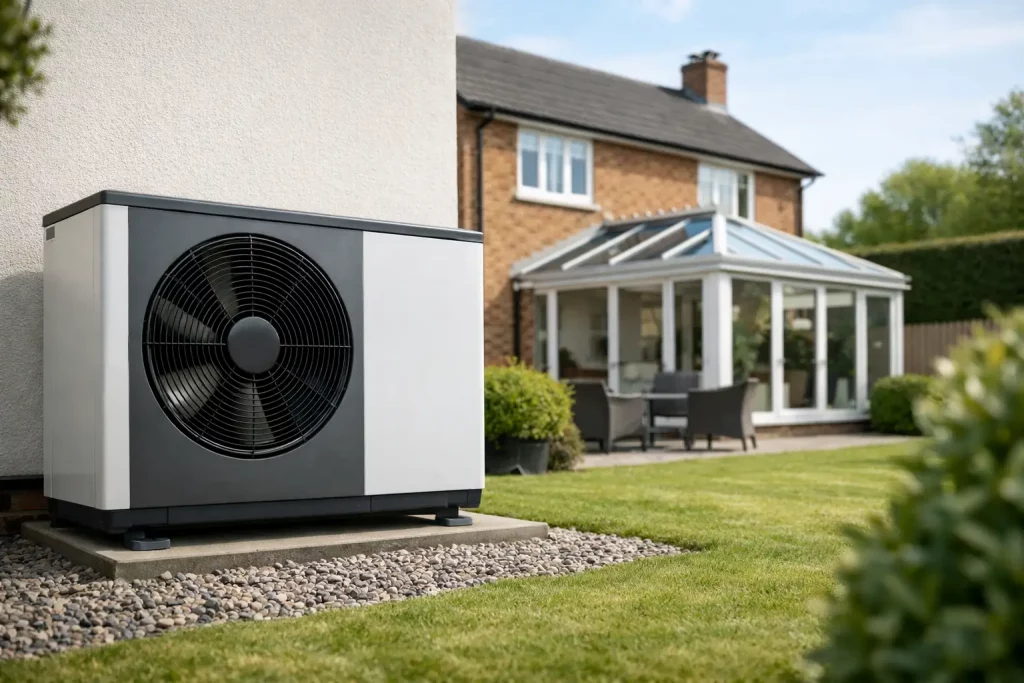
A gas boiler can deliver a burst of high heat, then sit idle. An air source heat pump works differently: it delivers steady, efficient warmth for longer periods. That distinction sits at the heart of any air source heat pump review. For the right property, it can cut carbon emissions, improve comfort and provide a practical route away from fossil-fuel heating. For the wrong setup, or a poorly planned installation, the expected savings may be harder to achieve.
The most useful question is not simply whether heat pumps are good. It is whether an air source heat pump is right for your home, your heating habits and the improvements you are willing to make alongside it.
Air Source Heat Pump Review: The Short Answer
Air source heat pumps are a strong option for many UK homes and commercial properties, particularly where an old gas, oil or LPG boiler is due for replacement. They collect low-grade heat from outside air and raise it to a usable temperature for your radiators, underfloor heating and hot water cylinder. Even on cold days, there is heat available outside for the system to use.
Because a heat pump moves heat rather than generating it through combustion, it can produce several units of heat for each unit of electricity it consumes. Its real-world efficiency depends on the property, system design, flow temperature and controls. A well-sized system operating at lower temperatures will generally perform better than one forced to work harder with undersized radiators or poor insulation.
The trade-off is that a heat pump is not a direct boiler swap. It needs proper design. Most homes will need a hot water cylinder, and some will benefit from larger radiators, improved insulation or underfloor heating. This is not a drawback when it is planned correctly – it is how the system delivers reliable comfort and sensible running costs over the long term.
How an Air Source Heat Pump Feels Day to Day
The biggest adjustment for many households is the style of heating. A boiler commonly heats radiators to a high temperature for shorter periods. An air source heat pump usually runs at a lower flow temperature and maintains a more even indoor temperature throughout the day.
That can feel noticeably more comfortable. Rooms are less likely to swing from chilly in the morning to overly warm in the evening, and the system does not need to be constantly turned up and down. However, households that prefer heating only for a brief evening window may need to change their routine. Heat pumps are designed to work steadily, often with weather compensation controls that respond to outside conditions.
Hot water is also different. A cylinder stores water heated by the pump, ready for baths, showers and taps. The cylinder must be sized around household demand. A family with several back-to-back showers needs more stored hot water than a couple living in a smaller home. Good installation starts with these practical details, not a one-size-fits-all product choice.
Running Costs: What Determines the Savings?
Electricity costs more per unit than mains gas, so it is sensible to look beyond headline claims. The key measure is efficiency, often described as a seasonal coefficient of performance. Put simply, this shows how much heat the system provides for every unit of electricity it uses across the year.
If a heat pump delivers three units of heat from one unit of electricity, it is operating at a seasonal efficiency of around 300%. The exact result will vary. A well-insulated home using larger radiators or underfloor heating can achieve lower operating temperatures, helping the heat pump run efficiently. A draughty home with an old, poorly designed heating system will place greater demand on it.
Your tariff matters too. Smart electricity tariffs can make a meaningful difference where they suit your lifestyle and controls. Solar panels can also support the wider energy picture by generating electricity during daylight hours, while battery storage may help you use more of that power on site. A heat pump does not need solar to work well, but combining technologies can reduce reliance on imported electricity and create a more efficient home energy system.
The realistic goal is lower overall energy costs, not a promise that every property will see the same bill. Before choosing a system, ask for a clear estimate based on your heat loss, likely electricity use, existing fuel costs and the upgrades included in the design.
Installation Quality Matters More Than the Brand Name
There are excellent heat pump manufacturers available in the UK. But even a high-quality unit will disappoint if it has been sized badly, connected to unsuitable emitters or set up with confusing controls.
A professional survey should assess the property’s room-by-room heat loss, insulation levels, radiator output, hot water demand and available outdoor space. The installer should then specify a pump that matches the building’s needs, rather than selecting the largest unit as a precaution. Oversizing can lead to unnecessary cycling and reduced efficiency, while undersizing can leave a home struggling in colder weather.
The outdoor unit needs a stable base, suitable airflow and careful positioning. It produces some fan noise, comparable to other outdoor mechanical equipment, so consideration for bedrooms, neighbours and boundary distances is essential. Planning rules often allow heat pumps under permitted development, but this depends on the property and installation details. Listed buildings, flats and certain locations can require extra checks.
For eligible homes in England and Wales, the Boiler Upgrade Scheme can reduce the upfront cost of an air source heat pump by £7,500. MCS certification is central to accessing this support, which is why choosing an MCS-certified installer matters. It provides confidence that the system has been designed and installed to recognised standards.
Is Your Property Ready for a Heat Pump?
A heat pump can work in an older Victorian terrace, a new-build home, a rural cottage or a commercial unit. Property age alone does not decide suitability. Heat loss and system design do.
Insulation should be considered before or alongside the installation. Loft insulation, draught reduction, suitable glazing and cavity or solid-wall measures where appropriate can reduce the heat required to keep rooms comfortable. You do not always need to undertake every possible improvement first, but reducing avoidable heat loss gives the heating system a better job to do.
Radiators are the next consideration. Existing radiators may be sufficient in some rooms, especially in a well-insulated property. In others, larger radiators will be needed to provide the same warmth at lower water temperatures. Underfloor heating is particularly well suited to heat pumps because of its large surface area and lower operating temperature, although it is not essential.
Space is another practical issue. You will need room outdoors for the unit and indoors for a hot water cylinder. Replacing a combi boiler with a heat pump can require more internal space than the old system. For many homes, an airing cupboard, utility room or dedicated cupboard solves this neatly, but it should be planned early.
The Advantages and Limitations to Weigh Up
An air source heat pump offers clear long-term advantages. It removes on-site combustion, reduces dependence on gas or oil, can lower carbon emissions and provides both central heating and hot water from one efficient system. It is particularly appealing for off-grid homes currently using oil or LPG, where fuel costs can be volatile and deliveries add another layer of inconvenience.
It also has limitations. Upfront installation costs can be higher than fitting a replacement boiler, although available grants can substantially reduce the difference. Installation may involve radiator changes, cylinder installation and a few days of work. The system needs annual servicing and good controls, just as any heating system does.
Performance in very cold weather is often misunderstood. Heat pumps continue operating in UK winter conditions, but their efficiency reduces as outdoor temperatures fall. A correct heat-loss calculation and carefully selected system account for this. The answer is not to dismiss heat pumps because of cold weather; it is to make sure the design is based on the coldest conditions your property is likely to face.
Questions to Ask Before You Choose
A worthwhile quotation should tell you more than the equipment price. Ask what heat loss has been calculated, what flow temperature the system has been designed around and whether your current radiators will be retained or upgraded. Confirm the cylinder capacity, expected annual electricity consumption, warranty cover and the servicing arrangements.
It is also worth asking how the controls will be explained after installation. A heat pump should make life simpler, not leave you guessing which settings to change. Clear handover, commissioning and support are part of a successful system.
Airtech Renewables takes a whole-home approach, looking at heating alongside solar, battery storage, ventilation and other practical energy upgrades where they add value. This helps avoid isolated decisions and supports a system that works efficiently as your property changes over time.
The best heat pump installation is not the one with the boldest savings claim. It is the one designed around your home, installed to a recognised standard and set up to keep you comfortably warm for years to come.