
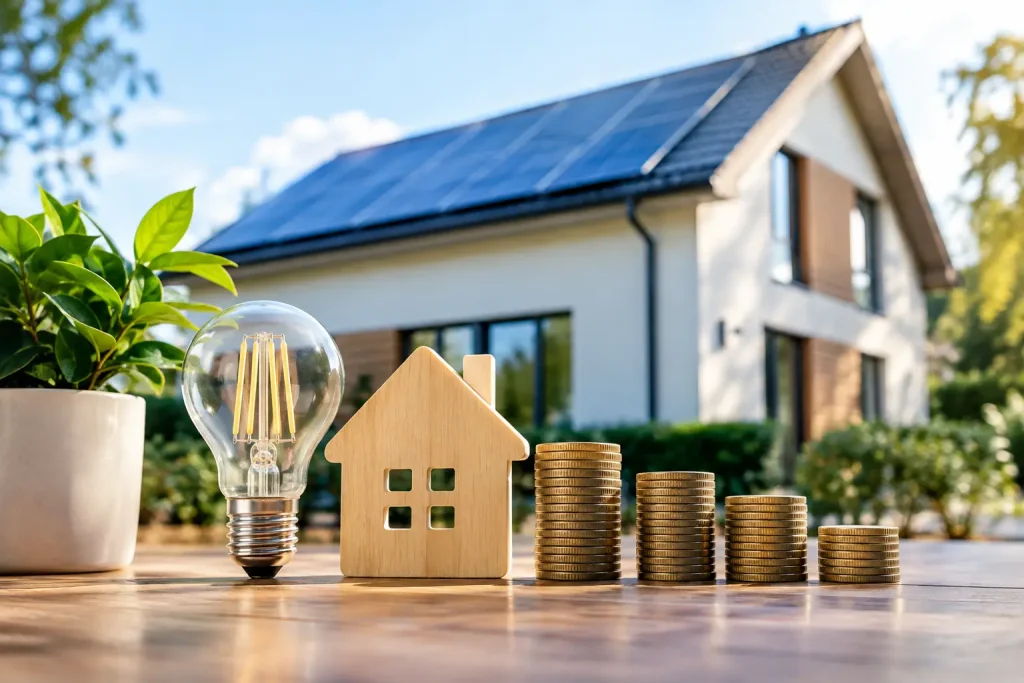
A property can look well maintained and still cost far more to run than it should. High electricity use, rooms that never feel quite warm enough, condensation on windows and an ageing boiler are all signs that building performance needs attention. For homeowners, landlords and businesses, improving it is not about adding technology for its own sake. It is about creating a more comfortable property with lower running costs and less reliance on fossil fuels.
The best results come from looking at how the whole building works. Heat, ventilation, electricity generation, hot water and cooling all affect one another. A well planned upgrade can make each system work harder for your money, rather than treating every energy problem as a separate job.
What building performance means for your property
Building performance is a practical measure of how efficiently a building uses energy while maintaining a healthy, comfortable indoor environment. It covers how much heat a property loses, how it is heated, how fresh air moves through it, and how electricity is generated, stored and used.
For a typical UK home, poor performance often shows up as cold spots, draughts, high gas or electricity bills, and heating that must run for long periods to achieve a reasonable temperature. In commercial premises, the same issues can mean higher overheads, uncomfortable staff or customers, and difficulty meeting sustainability targets.
The aim is not simply to use less energy. A cold, poorly ventilated building may use less heating if occupants turn it down, but it is not performing well. Good building performance balances efficiency with comfort, air quality and reliable hot water.
Start with the fabric and energy demand
Every property loses heat through its walls, roof, floor, windows and unwanted gaps around the building. Insulation, glazing and draught reduction can lower that demand, helping any heating system operate more effectively.
This does not mean every project has to begin with a full refurbishment. The right order depends on the property, its condition and the budget available. A newer home with reasonable insulation may be ready for a heat pump and solar installation straight away. An older solid-wall property may benefit from fabric improvements and a careful heating design before making a larger investment.
Heating controls also matter. Zoned controls, correctly sized emitters and sensible temperature settings help prevent energy being wasted in rooms that are not in use. Underfloor heating can be particularly effective with low-temperature systems because it distributes heat evenly over a larger area.
Building performance works best as a connected system
A property is not a collection of isolated products. Solar panels affect electricity demand. Battery storage affects when that solar power can be used. An air source heat pump changes the way heating and hot water are delivered. Ventilation protects indoor air quality as a building becomes more airtight.
Considering these connections at the start can avoid costly compromises later. It can also give you a clearer view of which upgrades will provide the strongest return.
Generate electricity with solar panels
Solar PV gives a property the ability to generate its own electricity during daylight hours. That power can support everyday household loads, from appliances and lighting to a heat pump, air conditioning or EV charger. For businesses, solar can reduce the cost of daytime electricity use, which is often when demand is highest.
Roof orientation, shading, available space and your normal consumption pattern all influence system design. A south-facing roof may offer strong annual generation, but east and west-facing arrays can produce power across a broader part of the day. In-roof solar can be an attractive option for new builds, extensions and roof replacement projects where a cleaner integrated finish is required.
Solar is most valuable when as much generated electricity as possible is used on site. That is where batteries, smart controls and well-matched electrical loads make a real difference.
Store more of the energy you produce
A solar battery stores surplus electricity for use later, such as in the evening when panels are no longer generating. It can increase self-consumption, reduce the amount of power bought from the grid and help households make better use of time-of-use electricity tariffs where suitable.
Battery storage is not automatically right for every property. If most solar generation is already used during the day, the financial case may be different from a household that is empty while the panels are producing. Capacity should be matched to generation, consumption and budget, rather than chosen simply because a larger battery sounds better.
For many properties, solar and battery storage form a useful foundation for wider electrification. They can support the electricity demand of an efficient heat pump, cooling system or EV charger while giving owners more control over when energy is purchased.
Replace fossil fuel heating with an air source heat pump
An air source heat pump takes heat from outside air and uses it to warm your home or business and provide hot water. It runs on electricity, but it can deliver several units of heat for each unit of electricity used when correctly specified and installed.
Its success depends on design. Heat loss calculations, radiator sizing, pipework, controls and hot water cylinder capacity all need to be considered. A heat pump is not a like-for-like boiler replacement, and that is a positive thing: it is an opportunity to create a lower-cost, lower-carbon heating system designed around the building’s actual needs.
Properties with good insulation and suitable heat emitters often see the most straightforward transition. However, many existing homes can still be suitable with targeted upgrades, such as larger radiators, improved controls or insulation in the areas creating the greatest heat loss.
MCS-certified installation provides additional reassurance that a system has been designed and fitted to recognised standards. It may also be relevant where grant funding or other scheme requirements apply.
Protect comfort with ventilation and cooling
Better insulation and draught reduction help retain heat, but a building still needs fresh air. Without suitable ventilation, moisture can build up, increasing the risk of condensation, mould and stale air.
Mechanical ventilation with heat recovery, commonly known as MVHR, supplies filtered fresh air while recovering heat from outgoing stale air. It is especially well suited to new builds and thoroughly renovated properties that have been designed to be airtight. It is not the right answer for every existing home, as duct routes, layout and airtightness must be assessed first.
Air conditioning can also have a role in modern building performance. It provides cooling during warmer spells and, in many systems, efficient heating at other times of year. For loft rooms, home offices, retail spaces and commercial premises with overheating issues, this can improve comfort and productivity while supporting an all-electric energy strategy.
Plan improvements around real usage
The strongest upgrade plan begins with the way the property is actually used. A family home occupied all day has a different energy profile from a landlord’s rental property or a business operating between fixed hours. Electricity bills, heating habits, occupancy, roof space and future plans all matter.
If you expect to buy an electric vehicle, extend the property or replace a boiler in the next few years, build those plans into the design now. Installing an EV charger, solar array and battery as part of one coordinated project can be more practical than repeatedly adapting the electrical system later.
Budget should be considered over the life of the equipment, not only at the point of installation. The lowest initial quote may not provide the best value if the system is undersized, poorly designed or unable to support future upgrades. Quality components, correct commissioning and dependable aftercare protect performance long after installation day.
For landlords and developers, better performing buildings can also support tenant comfort, lower operating costs and a more attractive, future-ready property. For businesses, reduced energy spend and lower carbon emissions can strengthen both financial planning and environmental commitments.
Choosing a practical route forward
There is no single package that suits every property. Some customers will gain the most from solar panels and battery storage. Others may need to prioritise replacing an inefficient heating system or solving poor ventilation. The right approach is based on the building, the people using it and the outcomes you want to achieve.
Airtech Renewables brings together solar, storage, heat pumps, ventilation, cooling, underfloor heating and EV charging so these decisions can be considered as one connected plan. That makes it easier to invest in measures that complement each other, rather than creating new limitations for the next upgrade.
A better-performing building should feel easier to live or work in from day one: warmer when it is cold, fresher when it is occupied, cooler when temperatures rise and less expensive to run over time. Start with an honest assessment of where energy is being lost and where it is being spent, then choose improvements that give your property a stronger long-term foundation.